All blog posts

How to Dress for Finnish Winter Like a Local

1. Start with a breathable base

Finns know that staying dry is the first step to staying warm. Start with a thin, moisture-wicking base layer — merino wool is a local favorite. It keeps sweat off your skin and adds surprising warmth without bulk.

2. Build with warmth, not weight

The middle layer should insulate without making you feel heavy. A fleece or light down jacket traps warm air while still allowing movement. Thin wool sweaters are also surprisingly warm if made from quality material — and yes, you can layer wool sweaters too if needed. Locals often wear multiple light layers instead of one thick piece to stay flexible in changing conditions.

3. Finish with wind and weather protection

The outer layer should shield you from wind, snow, and freezing rain. Your jacket can be a thin shell, a lightweight padded jacket, or a thick winter coat with a warm lining — it all depends on how much you plan to move outdoors. The key is to block wind and keep warmth in. And don’t forget: in Finland, a good hood is a must.

4. Don’t forget the extras

Thermal socks, mittens (warmer than gloves), and a proper beanie make all the difference. Layer your socks, gloves, and hats if needed — it’s totally okay to double up. A scarf is also a must, and of course, it can (and should) be cute too! Many Finns also wear neck gaiters or balaclavas when it gets really cold.

5. Adapt to the day

Locals layer up or down depending on activity and temperature. Walking to the store? One set. Spending hours outside? Add an extra mid-layer and bring hand warmers — just in case. Always choose layers over thick, heavy clothing — sweat is your worst enemy in the cold. Damp clothes lose heat fast, so make sure you can add or remove layers easily based on your activity level. On a nature trip, you might wear a thick jacket during breaks and pack it away when you get moving again.
MORE POSTS

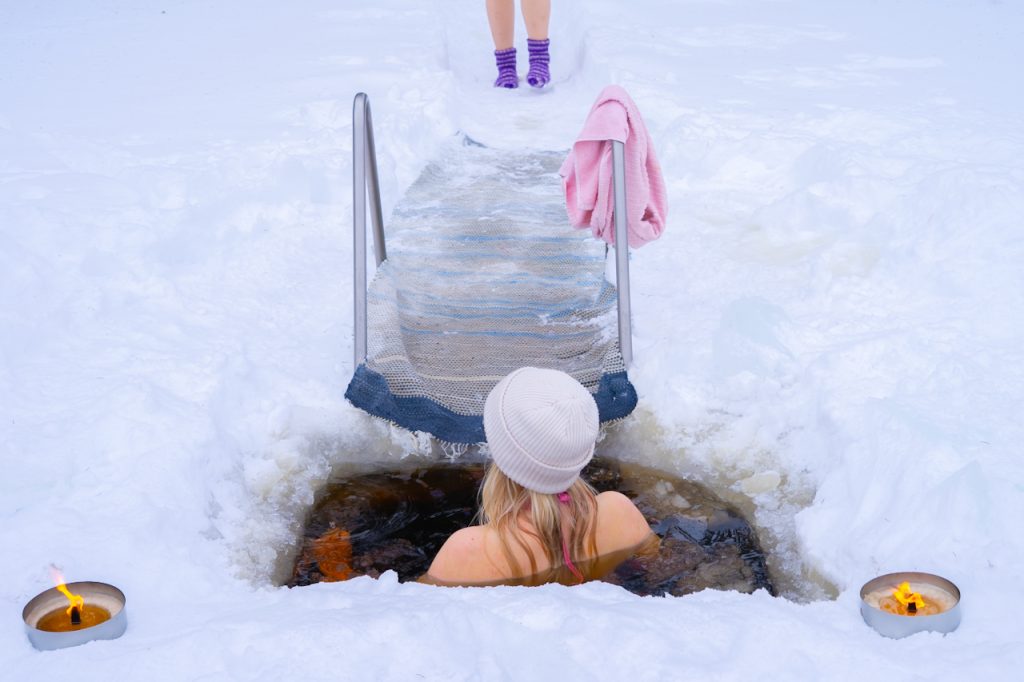
A swimmer wearing a knit hat in an ice hole beside snowy steps and two lanterns

What Does a Finnish Winter Forest Feel Like? A Local Guide to Central Finland

In Central Finland, winter changes the sounds of the forest. Snow settles on spruce branches, footsteps crunch on the path and the lakes may freeze over when conditions are cold enough. You do not need to head north to Lapland to spend time outdoors in a Finnish winter. Around Jyväskylä and Uurainen, local people head…

Nordic Lakeland kehittyy EU:n maaseuturahoituksen avulla

Nordic Lakeland Oy on toteuttanut yritystoiminnan kehittämishankkeen, jossa kehitettiin erityisesti tekoälyn hyödyntämistä tuotetiedon hallinnassa, sisällöntuotannossa, markkinoinnissa ja myynnissä. Hankkeessa rakennettiin uusia toimintamalleja ja työvälineitä yrityksen käyttöön sekä tehtiin asiakastyötä tukevia pienhankintoja. Hankkeeseen on saatu Leader-rahoitusta Leader JyväsRiiheltä. Hanke on Euroopan unionin osarahoittama. Leader_raportti Nordic Lakeland developed its operations with EU rural funding Nordic Lakeland Oy…

Spring Adventures in Finland: What to Do in April–May

1. Hiking, Cycling, and Moving Outdoors Without the Heat Spring is the best season for active outdoor adventures in Central Finland. Trails are peaceful, air is cool, and you won’t be bothered by mosquitoes or summer heat. Whether you enjoy forest hikes, gravel cycling, or just getting your heart rate up in fresh air, April…

What to Pack for a Trip to Finland in Autumn

1. Dress for Layers and Chilly Weather Autumn in Finland brings vibrant colors and cooler temperatures. In September, it can still be mild, but by October and especially November, the weather turns damp, windy, and cold — sometimes dipping below freezing. Pack layers: thermal underlayers, long-sleeved shirts, a warm fleece or sweater, and a wind-…